Cowboy: A Font That Marries Vintage Soul with Modern Style
Finding a typeface that feels both timeless and fresh is a common challenge for designers and brand builders. We often reach for classic serifs or clean sans serifs, but sometimes a project calls for something with more personality—a font that tells a story before a single word is read. This is where the Cowboy typeface enters the conversation. It’s not just a collection of letters; it’s a design asset built on a specific mood and historical reference, reinterpreted for contemporary use.
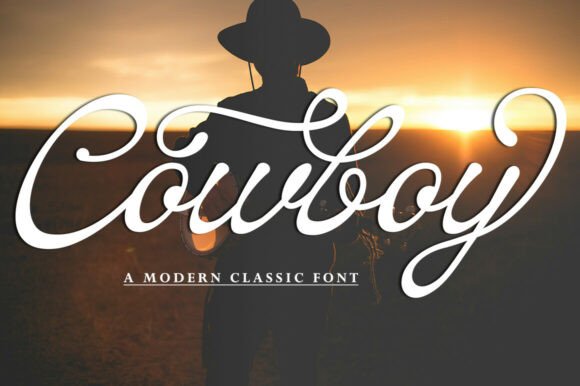
At its core, Cowboy is a premium font that draws direct inspiration from the rugged individualism and aesthetic of the American West. However, this isn’t a simplistic, themed novelty. The designer has taken that foundational spirit—the confidence, the open-road freedom, the strong character—and refined it into a sophisticated display font. You’ll notice this in the letterforms themselves. They feature smooth, deliberate curves that soften the potential harshness of a purely western style, while artistic details in the terminals and strokes add a layer of elegance. The result is a typeface that radiates authority without feeling aggressive, and vintage charm without looking dated.
Understanding the Visual Personality
When you examine Cowboy closely, its dual nature becomes clear. The overall silhouette and certain flourishes nod to the past, evoking the hand-painted signage and letterpress prints of a bygone era. Yet, the proportions and spacing feel balanced and modern. This careful calibration is what makes it so versatile. It avoids the pitfalls of being too niche or too generic. As a creative font, it offers a strong point of view, which is precisely what you need for projects that aim to stand out in a crowded market.
The personality of Cowboy is one of confident minimalism with an artistic edge. It’s bold but not loud. This makes it an excellent candidate for applications where first impressions are critical. Think of a logo for a craft distillery, a boutique hotel, or a heritage-inspired apparel brand. The font immediately sets a tone of authenticity and craftsmanship. It suggests a brand that values its roots but operates with a clear, modern vision. For brand identity work, this kind of immediate, non-verbal communication is invaluable. It helps build recognition and connects with an audience on an emotional level, tapping into ideals of independence and quality.
Practical Applications: Where Cowboy Shines
The true test of any typeface is its utility. Cowboy’s strength lies in its application as a display font, meaning it’s designed to be used at larger sizes for headlines, logos, and prominent text. It’s not intended for body copy in a lengthy report, but that’s by design. Its role is to capture attention and set the stage.
In logo design, Cowboy provides a solid foundation. Its distinct character ensures the mark is memorable, while its balanced forms ensure it remains legible across various sizes, from a website header to a small social media avatar. For branding projects extending beyond the logo, it works beautifully on packaging design, creating shelf appeal for products like artisanal foods, spirits, or grooming goods. The font’s aesthetic naturally complements materials like kraft paper, textured cardstock, and minimalist label layouts.
For marketing and digital projects, consider using Cowboy for the hero section of a website, for impactful email newsletter headers, or for social media graphics that need to stop the scroll. Its visual weight makes it perfect for quotes, event titles, and promotional banners. In the realm of publishing and editorial design, it can add character to magazine covers, book titles, chapter headings, and pull quotes, especially in genres like travel, lifestyle, or historical fiction. For personal projects like wedding invitations or milestone cards, it brings a touch of personalized elegance.
Integrating Cowboy into Your Design Workflow
Adopting a new typeface requires more than just liking how it looks. You need to evaluate its fit for your specific project. Start by asking: Does the tone of Cowboy align with my brand’s voice? If your brand is playful and ultra-modern in a minimalist tech sense, it might not be the right match. But if your brand story involves heritage, adventure, craftsmanship, or a touch of rustic sophistication, it’s worth serious consideration.
A critical step is testing font pairing. Because Cowboy has such a strong personality, it pairs best with more neutral companions. A clean, geometric sans serif font for body text creates a beautiful contrast, allowing Cowboy to command the headlines while ensuring readability in paragraphs. Alternatively, a simple serif font can create a more traditional, layered hierarchy. Avoid pairing it with other highly decorative script fonts or handwritten fonts, as this will create visual competition and chaos. The goal is harmony, not a battle for attention.
Before finalizing your choice, review the included styles. Does the font family offer the weights or alternates you need? Check the character set for the symbols and punctuation required for your project. Most importantly, conduct rigorous readability testing. Set your headlines and subheads in Cowboy at the intended sizes and view them on different devices and in print if possible. Ensure the letter spacing and unique details don’t hinder quick comprehension, especially at smaller display sizes. Finally, verify the commercial font license. Confirm it covers all your intended uses, whether for a client’s logo, merchandise for sale, or digital advertising, to ensure you’re fully compliant.
A Final Thought on Selection
Choosing a typeface like Cowboy is a strategic decision. It’s about selecting a tool that will actively contribute to your project’s goals, whether that’s establishing credibility, evoking a specific emotion, or differentiating from competitors. Its blend of the classic and the contemporary offers a unique value proposition. By understanding its visual language, testing it thoroughly in context, and pairing it wisely, you can leverage Cowboy not just as a font, but as a core component of a compelling visual narrative. It’s a design asset that, when used thoughtfully, can elevate the professionalism and impact of your work across countless creative endeavors.