Discover Sweet Honey: The Heartwarming Script Font
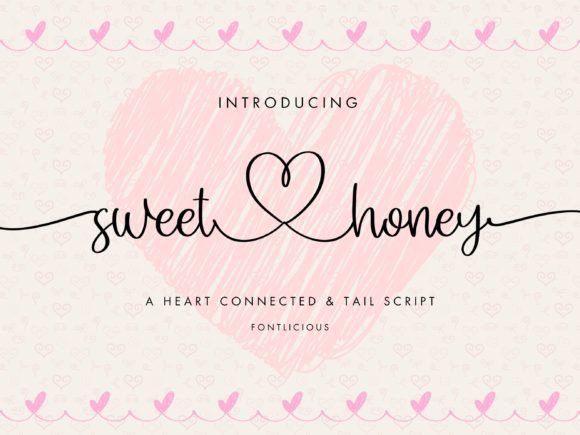
There are typefaces that simply convey words, and then there are typefaces that convey emotion. Sweet Honey falls firmly into the latter category. At its core, this is a handwritten script font designed to bring warmth, intimacy, and a human touch to your creative projects. It isn’t just about the letters themselves; it is about the connection they create. In a digital landscape often dominated by sterile, geometric sans-serifs, Sweet Honey offers a breath of fresh air, combining the elegance of calligraphy with the organic imperfections of genuine handwriting.
Visually, Sweet Honey is defined by its fluidity and cohesion. The defining feature is arguably the "heart connection," a subtle design choice where certain ligatures or letter pairs intertwine to form a shape reminiscent of a heart. This detail adds a layer of sentimentality that is rarely found in standard commercial fonts. Furthermore, the typeface includes expansive front and end tails. These swashes extend gracefully from the beginning and end of words, allowing you to create dramatic, sweeping compositions that command attention. The overall personality is luxurious yet approachable—it strikes a balance between high-end elegance and cozy, home-spun charm.
Real-World Applications: Where Sweet Honey Shines
As a designer or business owner, choosing the right typeface is about context. A font that works beautifully on a wedding invitation might fail miserably on a technical manual. Sweet Honey is a premium font that excels specifically in environments where emotion, celebration, and personal connection are paramount. It is a versatile design asset, but understanding its sweet spot ensures you get the most out of its unique style.
Stationery and Invitations
The most natural habitat for a script font like Sweet Honey is the world of stationery. Whether you are designing wedding suites, baby shower invitations, or high-end greeting cards, the font’s flowing nature mimics the look of expensive hand-lettering. The heart connections work particularly well for romantic themes, while the elegant tails add a sense of formality to the event details. If you are a crafter selling on platforms like Etsy, incorporating this typeface into your templates can instantly elevate the perceived value of your product.
Branding and Logo Design
For small business owners, particularly in the beauty, fashion, bakery, or lifestyle sectors, your logo is your handshake. Sweet Honey offers a distinct personality that helps brands stand out. Because it is a display font, it carries a strong voice that can define a brand identity in seconds. Imagine a boutique bakery using this font for their masthead; the script naturally evokes a sense of homemade quality and sweetness. However, when using Sweet Honey for logo design, it is crucial to ensure the letterforms remain legible at smaller sizes, which often requires adjusting the kerning or removing some of the decorative tails.
Packaging and Merchandise
Product packaging relies on visual hierarchy to grab a customer's attention on a crowded shelf. Using Sweet Honey for product names or taglines can add a touch of luxury and softness to your merch. It works exceptionally well on labels for candles, soaps, cosmetics, or gourmet foods. The font’s elegance suggests a premium product inside, influencing the customer’s perception of quality before they even open the package.
Digital Presence: Web and Social
In the realm of web design and social media graphics, readability is king, but personality is the queen. Sweet Honey is best used sparingly in digital formats—as a hero header on a landing page, a quote graphic on Instagram, or a stylized "About Me" title. It pairs beautifully with clean sans-serif fonts for body copy, creating a modern typography contrast that guides the reader’s eye effectively.
The Strategic Impact of Typography on Your Audience
Fonts do more than fill space; they shape how your audience feels about your content. The psychology of typography suggests that script fonts like Sweet Honey trigger associations with personal touch, creativity, and care. When a visitor lands on a website or picks up a brochure set in a handwritten font, they subconsciously feel a closer connection to the creator. This is vital for entrepreneurs and content creators looking to build community.
Using a creative font like Sweet Honey can significantly boost audience engagement. In an email newsletter, a stylized header can break the monotony of text blocks, encouraging subscribers to keep reading. On social media, where users scroll rapidly, the visual flair of the heart connections and tails can stop the scroll, increasing dwell time on your post. However, this impact relies on consistency. If you use Sweet Honey for your headers, ensure it becomes a recognizable part of your brand identity across all platforms to build trust and professionalism.
Practical Guide to Using Sweet Honey
Adopting a new typeface requires more than just installation; it requires strategy. Here is practical guidance on how to integrate Sweet Honey into your workflow effectively.
Evaluating Project Fit
Before applying the font, ask yourself: Does this project require a formal or casual tone? Sweet Honey leans towards the romantic and whimsical side. It is perfect for a yoga studio’s class schedule or a florist’s price list, but it would likely be inappropriate for a corporate law firm’s annual report. Always match the font’s voice with the client’s or project's core values.
Mastering Font Pairing
A common mistake with display fonts is using them for everything. Sweet Honey is a specialist; it is designed for impact, not for long-form reading. Therefore, font pairing is essential. You need a reliable workhorse font to handle the heavy lifting of body text.
- Pair with a Serif: For a classic, editorial look, pair Sweet Honey with a traditional serif font like Garamond or Lora. This combination feels timeless and is excellent for publishing or high-end stationery.
- Pair with a Sans-Serif: For a modern, clean aesthetic, combine it with a geometric sans-serif like Montserrat or Raleway. This creates a high-contrast visual hierarchy that feels fresh and professional.
Testing Readability and Hierarchy
When you type a phrase in Sweet Honey, look at the connections. If you are writing a long word, the swashes might overlap other letters, making the word unreadable. This is where manual kerning comes in. You may need to adjust the spacing between letters or selectively remove the front and end tails to maintain clarity. Always print out a sample or view it at 100% scale on a screen to check how the weight of the lines holds up.
Understanding Licensing
Sweet Honey is a commercial font, meaning it is a professional design asset. Before using it for a client project or merchandise you intend to sell, verify the licensing terms. Most premium fonts require a specific license for "print-on-demand" or merchandise use (like selling t-shirts with the font on them) versus standard desktop use. Respecting these licenses is part of being a professional creative and ensures you are legally protected.
Conclusion
Ultimately, Sweet Honey is more than just a collection of glyphs; it is a tool for storytelling. Its ability to bridge the gap between digital precision and human warmth makes it a valuable addition to any designer’s toolkit. Whether you are crafting a logo for a new startup, designing a menu for a cafe, or creating social media graphics that need a personal touch, this handwritten script font offers the versatility and elegance to make your work resonate. By understanding its strengths and applying it thoughtfully, you can transform a standard design into something truly heartwarming.